-
GovernanceJul 06, 2026
Press Statement: LCPS Convenes Roundtable on Growing Schism Between Citizens and Government Institutions
- LCPS
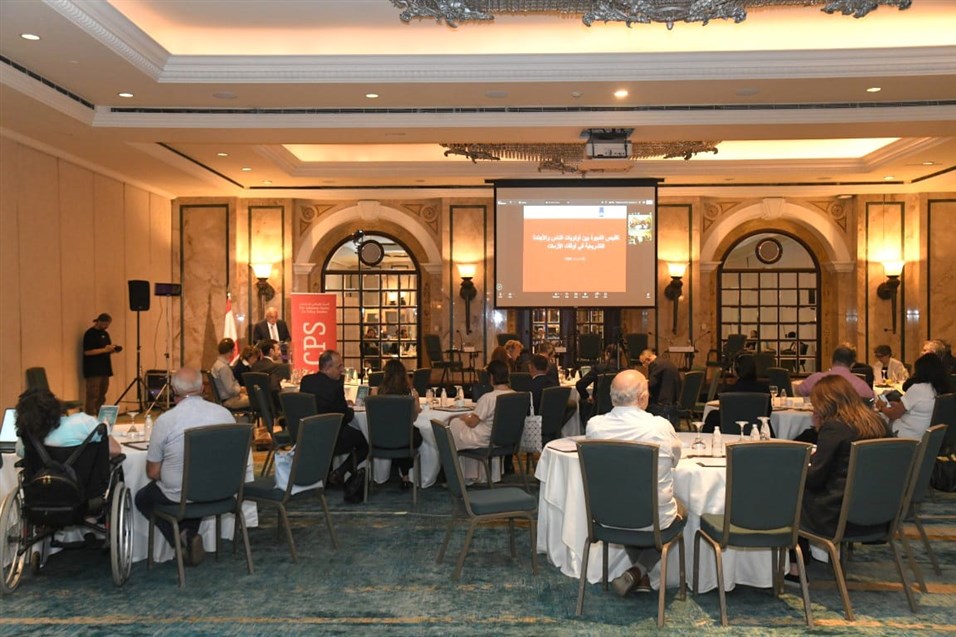
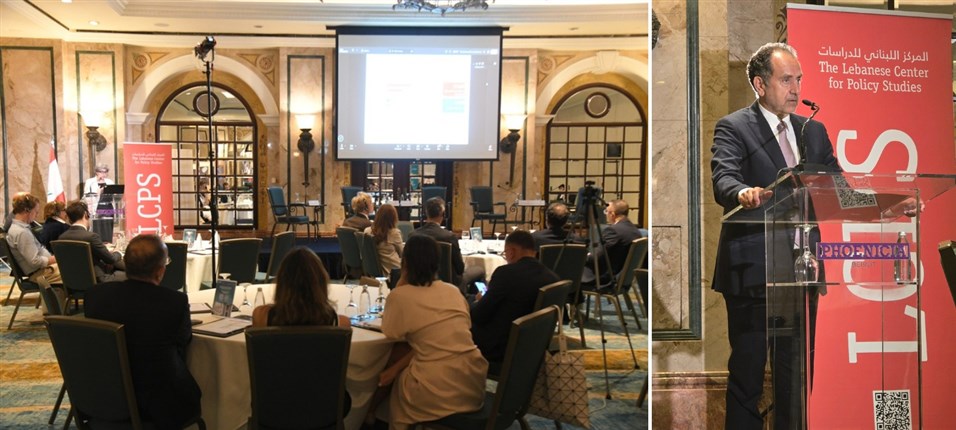
At a time of profound political uncertainty, ongoing conflict between Lebanon and Israel, and deep economic and social strain, the Lebanese Center for Policy Studies (LCPS) convened a roundtable on June 30, 2026, with support from the Embassy of the Kingdom of the Netherlands in Beirut, bringing together members of parliament, members of the diplomatic community, lawyers, academics, and policy experts.
The roundtable, titled “Reducing the Disconnect between Public Priorities and the Legislative Agenda in Times of Crises,” centered on the findings of a nationwide survey of 1,200 respondents and 18 focus group discussions conducted across 15 electoral districts in Lebanon in January 2026.
The findings were presented by LCPS Senior Researcher Zeina Sami El-Helou and explored political participation, trust in institutions, socio-economic conditions, citizen expectations of the legislative process, and the perspectives of women and youth against the backdrop of the postponement of parliamentary elections and the ongoing conflict.
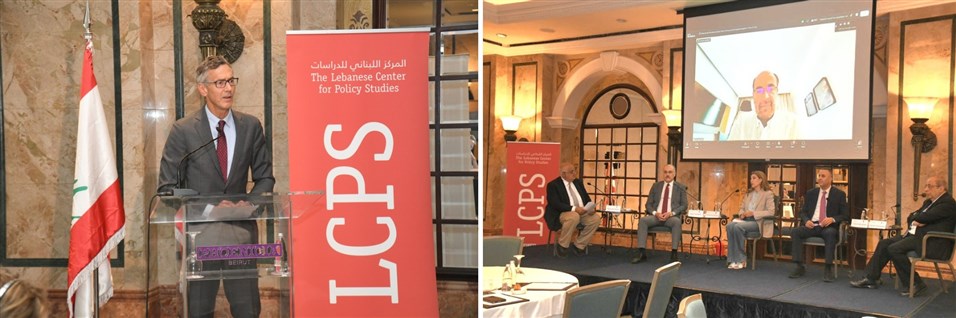
Opening remarks were delivered by LCPS Executive Director Makram Ouaiss, LCPS President of the Executive Board of Directors Mohamed Alem, and Ambassador of the Kingdom of the Netherlands to Lebanon, His Excellency Frank Mollen. The roundtable featured interventions by Member of Parliament Georges Okais (Zahle), Member of Parliament Dr. Bilal Abdallah (Chouf), Member of Parliament Paula Yacoubian (Beirut I), Member of Parliament Ashraf Baydoun (South III), and former member of parliament and attorney Ghassan Moukheiber.
Delivering his opening remarks, Mohamed Alem emphasized that the study’s numbers describe not merely a trust crisis but “a dangerous collective psychological reality threatening Lebanon's future and existence,” noting that 78% of Lebanese believe government policies have no effect on their circumstances. He called directly on the Government to apply existing laws and not stall the reform process, while calling the Members of Parliament to “move from withdrawal to participation, from hesitation to accountability, and from despair to responsibility.”
His Excellency Frank Mollen, Ambassador of the Kingdom of the Netherlands to Lebanon, underscored the value of evidence-based dialogue for policy reform. He noted that what he hoped the roundtable would achieve was not only a presentation of findings, but a genuine candid exchange between researchers and legislators, between data and lived experience — “the youth and first-time voters surveyed in this research deserve to see that their voices translate into real reflections inside this room.”
The discussant interventions covered the structural causes of the gap between citizens and their legislature, including the absence of evidence-based legislation, the paralysis of parliamentary oversight mechanisms, the role of sectarianism in blocking reform, and the prospects for rebuilding public trust ahead of the next electoral cycle.
MP Georges Okais reflected on the significance of the findings for the legislature itself, stating: "Parliament being one of the least trusted constitutional institutions among Lebanese people is an alarm bell all of us as MPs must ring." He called for the introduction of systematic legislative impact assessment, arguing that "no law should be submitted to parliament without data, studies, and an analysis of its financial and legal consequences."
MP Paula Yacoubian highlighted the study finding that 88% of respondents say the October 17 uprising does not represent their hopes, calling it "a stunning success for Lebanon's power establishment, which managed to convince people that their own revolution was not theirs." She also described the current state of legislative paralysis, noting that the last legislative session was held three to four months ago and that urgent items like the current crisis have not been debated by parliament.
MP Dr. Bilal Abdallah was candid about the limits of reform within a sectarian system, acknowledging that he had redirected his legislative focus toward healthcare, social protection, and education as areas where tangible results remain achievable. He reminded the room that "an MP's duty is not to follow public opinion but to shape it — to place before citizens the questions they should be thinking about seriously."
MP Ashraf Baydoun identified three structural failures at the root of Lebanon's governance crisis: the absence of individual civic awareness, deeply rooted institutional sectarianism, and the absence of genuine citizenship. He argued that "legislative debate in parliament is generally not built on data or facts, but on superficial, narrow, partisan approaches outside the general national interest," citing the recent general amnesty debate as a stark illustration.
Former MP and attorney Ghassan Moukheiber offered both a systemic diagnosis and a call to action. He described Lebanon's system as one where "authority flows from oligarchic leaders downward, turning citizens into clients rather than rights-holders," but pushed back against despair by pointing to concrete historical successes — including the 1996 municipal elections campaign, the 2000 disability law, and the 2005 anti-corruption legislation package — as proof that change is achievable when civil society organizes with purpose. He closed by calling for urgent reform of parliament's internal rules, which he described as "among the worst in the world" and a key factor to parliamentary ineffectiveness.
The roundtable concluded with a shared recognition that any meaningful effort to rebuild the relationship between citizens and their legislature requires deep structural reform, a new political discourse that acknowledges citizens' suffering, and concrete, visible pathways to change — particularly ahead of the next parliamentary elections. Civils society and specialized organizations should continue to organize and pressure decision makers to achieve the necessary reforms.